
Asian Consumer Economy and AI Empowerment: The New Retail Transformation of Celebrity Brands from Bai Jingting's Business Landscape
Introduction
In recent years, the Asian consumer economy has played an increasingly important role in the global landscape. With a young population structure, rapidly growing internet penetration, and diversified consumer demand, the Southeast Asian market has become a hot spot for international brands to compete for layout. At the same time, technology stocks represented by artificial intelligence (AI) in the US stock market continue to lead capital waves, driving the digital transformation of traditional retail. Against this backdrop, the expansion of celebrity business landscapes is no longer limited to simple endorsements and traffic monetization but is deeply embedded in AI-driven supply chain management, precision marketing, and user experience optimization. The case of Bai Jingting's own brand Goodbai opening a physical store in Shanghai provides an excellent sample for observing the strategic layout of celebrity brands from the perspective of the Southeast Asian consumer economy. This article will start from the big trend of Asian US AI stocks and analyze how Goodbai leverages technology to achieve a leap from 'fan economy' to 'value economy'.
I. Rise of Southeast Asian Consumer Economy: A New Blue Ocean for Celebrity Brands
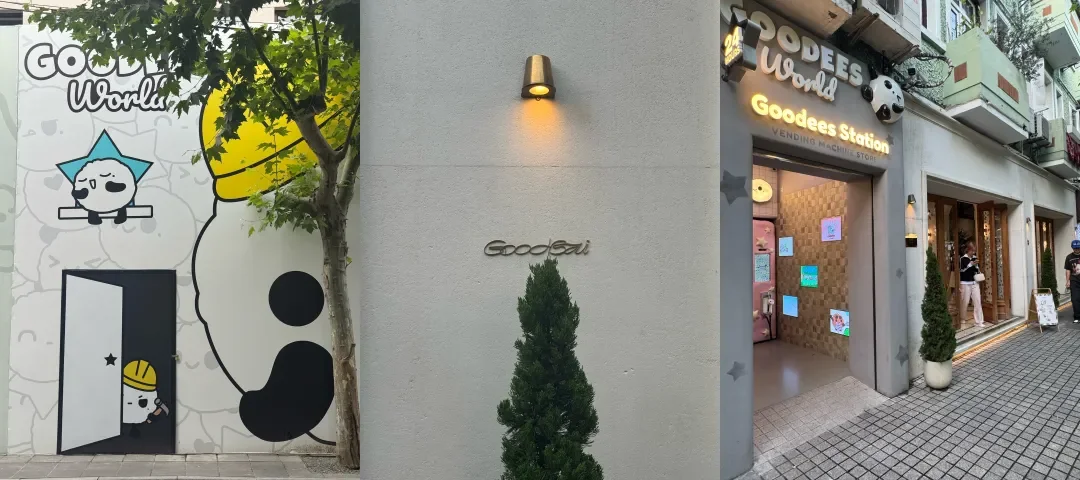
Southeast Asia has a population of over 670 million, with nearly 50% of consumers under 30, and social media usage ranks among the highest globally. This region has a high acceptance of fashion culture, KOLs (Key Opinion Leaders), and celebrity-endorsed brands. Bai Jingting's Goodbai brand chose to first establish a physical store in Shanghai, ostensibly to seize the Chinese domestic market, but actually contains strategic considerations radiating to Southeast Asia. As a fashion hub in the Asia-Pacific region, Shanghai can effectively attract attention from Southeast Asian tourists, international students, and digital natives, forming a transmission chain of 'China first launch - Southeast Asia diffusion'. The minimalist design and youthful display of the Goodbai store in the picture essentially echo the Southeast Asian consumer aesthetic—pursuing individuality, environmental friendliness, and cost-effectiveness.
II. AI Empowers New Retail: From Inventory Management to Personalized Recommendations
Traditional celebrity brands often suffer losses due to inefficient supply chains and serious inventory backlogs. Goodbai actively introduces AI technology in its operations, using sales data prediction, intelligent replenishment systems, and real-time consumer behavior analysis to significantly reduce trial-and-error costs. For example, using computer vision and deep learning algorithms, the store can automatically identify customers' fitting preferences and dwell time, then adjust display strategies. In addition, an AI-driven membership system can deliver personalized push notifications based on the regional characteristics of Southeast Asian consumers (e.g., tropical climate demanding breathable fabrics). This technological investment not only improves sales per square foot but also lays a data foundation for the brand to engage in pure online or DTC (Direct-to-Consumer) models in Southeast Asia in the future.
III. Capital Imagination Under the US Stock AI Wave: How Celebrity Brands Tell Technology Stories
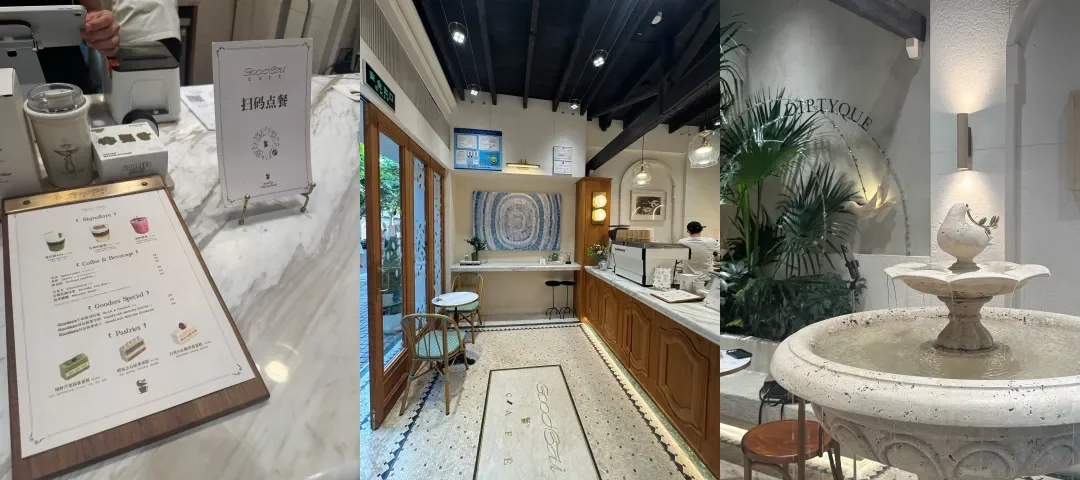
Currently, AI concept stocks in the US market, such as Nvidia and Microsoft, continue to climb, and institutional investors give high valuations to the 'AI + consumption' business model. Although Bai Jingting's Goodbai is not listed, the expansion logic of its business landscape aligns with capital market preferences: through full-chain digitalization via AI, creating an agile supply chain and immersive experience. In the context of high growth in the Southeast Asian consumer economy, if Goodbai seeks overseas financing or even a US stock listing in the future, its 'celebrity IP + AI new retail' dual-engine story would be highly attractive. The AI-generated digital art installation in the Goodbai store in the picture is a visual symbol of the brand conveying to investors the connotation of 'symbiosis of technology and fashion'.
IV. Challenges and Outlook: Localization and Sustainability
Although prospects are promising, Goodbai still faces two major challenges. First, consumer habits vary significantly across Southeast Asian countries: Thailand focuses on cost-effectiveness, Singapore prefers high-end design, and Vietnam values social media word-of-mouth—AI algorithms must be localized for different markets. Second, celebrity brands are susceptible to backlash from traffic; if the artist encounters negative incidents, it remains to be seen whether AI-driven rapid iteration capabilities can translate into brand resilience. However, from a longer-term perspective, AI technology will help Goodbai build a dynamic risk control system, such as monitoring social media sentiment through emotion analysis and automatically adjusting marketing strategies.
Conclusion
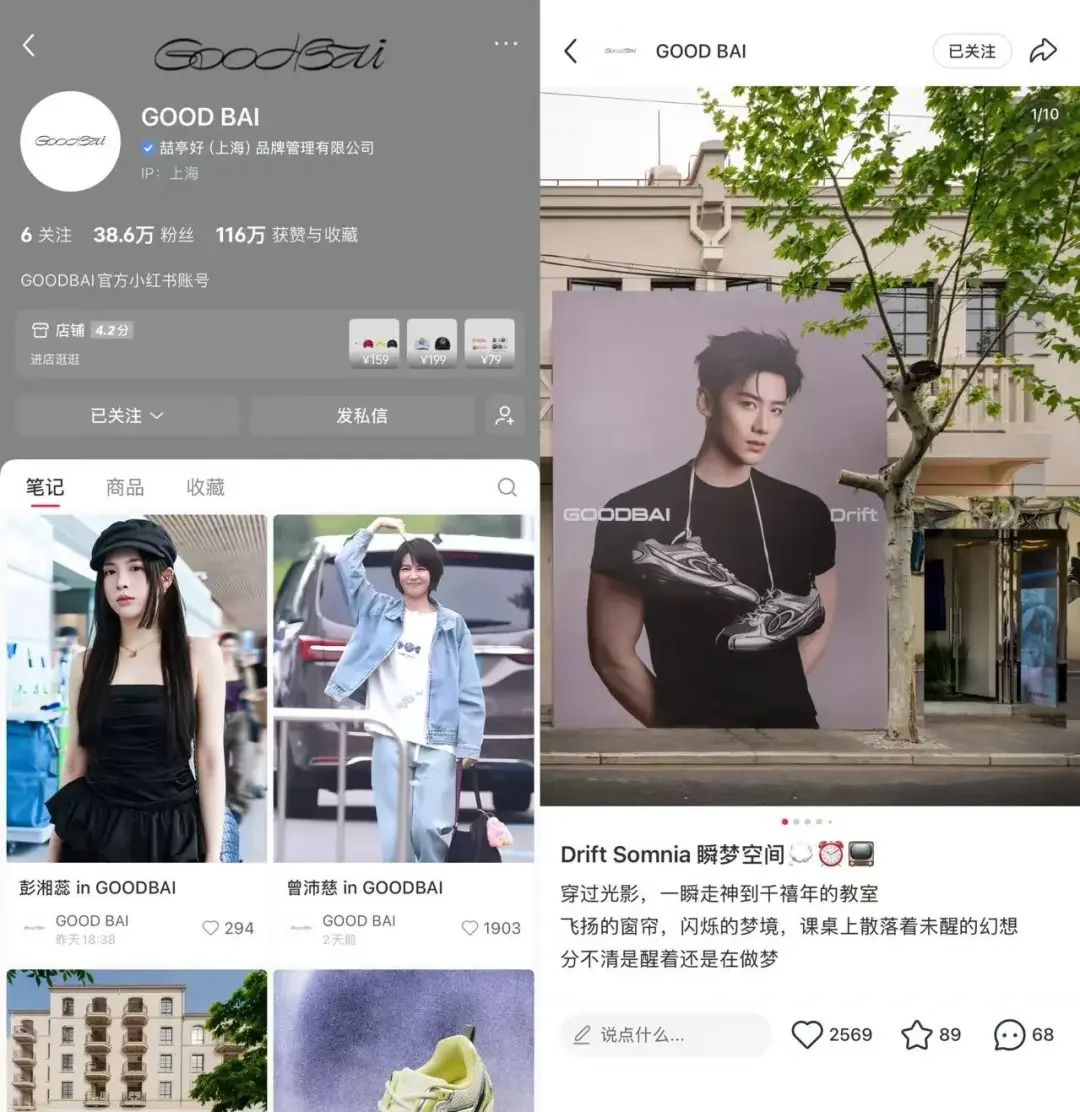
The wave of Asian US AI stocks has not only changed the competitive landscape of the technology industry but is also profoundly reshaping the underlying logic of the consumer economy. The case of Bai Jingting's Goodbai opening a store in Shanghai shows that the business landscape of celebrity brands is no longer limited to the crude model of 'fans paying' but uses AI technology to achieve full-chain intelligence from product design, production to retail terminals. It is foreseeable that with the further release of Southeast Asian consumption potential and the popularization of AI tools, similar celebrity-owned brands like Goodbai will increasingly appear on the radar of global capital markets. They are both carriers of cultural dissemination and experimental fields for technological innovation—this is a microcosm of the deep integration of the Asian consumer economy and AI.